Thomas is remembered for doubt, but his first recorded words are brave. When Jesus decided to go back near Jerusalem, where people had tried to stone him, Thomas told the others, Let us also go, that we may die with him (John 11:16). He was loyal and blunt.
He also asked the questions others were thinking. When Jesus said they knew the way, Thomas said they did not (John 14:5). When the others said they had seen the Lord, Thomas said he would not believe without touching the wounds. Eight days later Jesus came and offered him his hands. Thomas answered with the highest confession in John's Gospel.
“
My Lord and my God!
Name means
Twin (Aramaic; called Didymus in Greek, )
Home
Not recorded; found with the Galilean disciples ()
Role
One of the Twelve
Read in
Thomas's story
Unless I see
Beginning
Let us go and die
When Jesus heads back toward danger, Thomas urges the others to go and die with him.
Turning point
How can we know the way
He admits he does not know where Jesus is going. Jesus says he is the way.
Low point
Absent and unbelieving
He misses the first appearance and refuses to believe without seeing and touching the wounds.
High point
My Lord and my God
Jesus comes back and offers his hands and side. Thomas confesses him as Lord and God.
Ending
With the others
He is with the disciples by the sea and in the upper room, waiting for the Spirit.
Starts as a loyal pessimist who expects the worst. Ends as the disciple who called Jesus Lord and God.
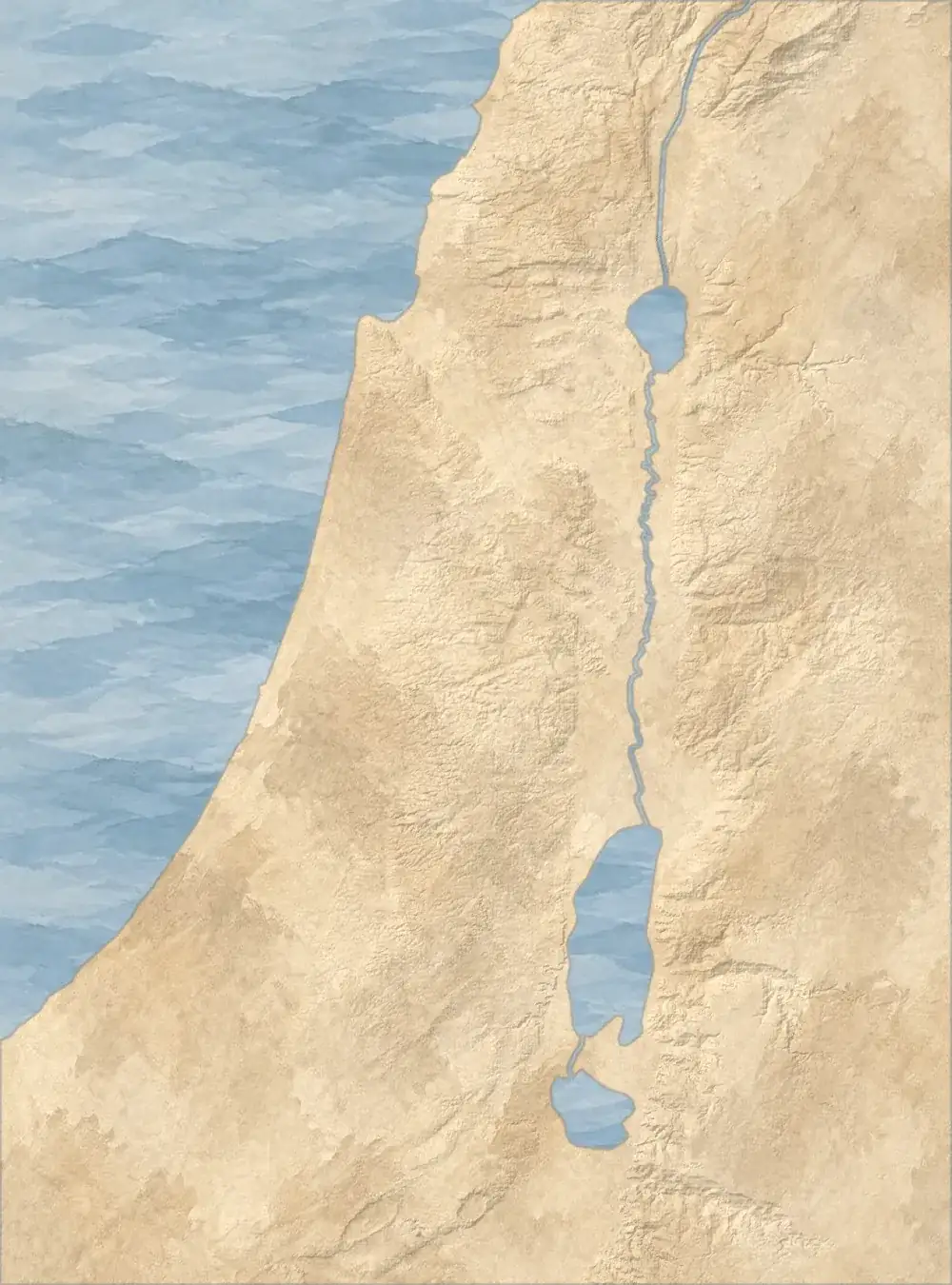
Where Thomas lived and went
Only places Scripture records. Softer, dotted pins are traditional or uncertain sites. Tap a pin for the passage.
HomeMinistryKey momentTraditional or uncertainPinch or use + to zoom. Tap a cluster to spread it out.
How Thomas is wired
The Loyalist
Enneagram 6, Investigator wing
To have solid ground before he trusts, and to stay loyal to his people.
This one is debated. Here's why we land here.
At their best, toward 9 Under stress, toward 3
Why we think so
1
Loyal into danger. He is ready to go back to Judea and die with Jesus. ()
2
Needs firm footing. He asks plainly how they can know the way. ()
3
Doubt as protection. He refuses to believe without seeing and touching. ()
The 5 wing shows in his demand for concrete evidence: the nail marks, the side, his own hands. ()
The Peacemaker. Settled trust. John records no touching, only Thomas's confession once Jesus speaks to him. ()
The Achiever. Under stress a 6 can put on a show of certainty. Scripture shows little of this in Thomas.
The case for 5
His demand for proof sounds like an Investigator. But his loyalty in and his place inside the group fit the 6 pattern of loyalty and doubt held together.
Other lenses
Big Five. Read from what he says and does in the Gospels and Acts.
ReservedOutgoing
SteadyReactive
ChallengingAccommodating
SpontaneousDisciplined
TraditionalCurious
DISC style: Show me, then I'm all in.
Strengths & struggles
What's good in Thomas
Loyal, even toward danger. Honest about what he does not understand. Wholehearted once convinced.
Where Thomas struggles
Pessimism (). Insisting on his own terms for belief (). Missing the gathering when it mattered ().
Thomas's doubt meets a risen Savior who still bears the wounds.
Jesus does not start with a rebuke. He offers his hands and side, then says, “Blessed are those who have not seen and yet have believed” (). That blessing reaches every reader since. John says he wrote so that we would believe ().
Questions to sit with
1
What terms have you set for trusting God?
2
Thomas was missing when Jesus first came, and the others kept him with them. Who needs that from you?
Study Thomas with your group
Ready-to-lead group studies with discussion questions and a leader's note are on the way.