Philip came from Bethsaida, the same town as Andrew and Peter (John 1:44). Jesus found him and said, “Follow me” (John 1:43). Philip's first move was to go find his friend Nathanael and tell him they had found the one Moses and the prophets wrote about.
He was practical. When a huge crowd needed food, he did the math and said it could not be done (John 6:7). He liked to be sure. He asked Jesus to show them the Father, and that would be enough. Scripture tells us only a few scenes, but in each one he is either bringing someone to Jesus or asking an honest question. (He is a different man from Philip the evangelist in Acts 6 and 8.)
“
Come and see.
Name means
Lover of horses (Greek)
Home
Bethsaida, the town of Andrew and Peter ()
Role
One of the Twelve
Read in
;
Philip's story
Counting the cost of bread
Beginning
Found and finding
Jesus finds Philip, and Philip finds Nathanael and answers his doubt with “Come and see.”
Turning point
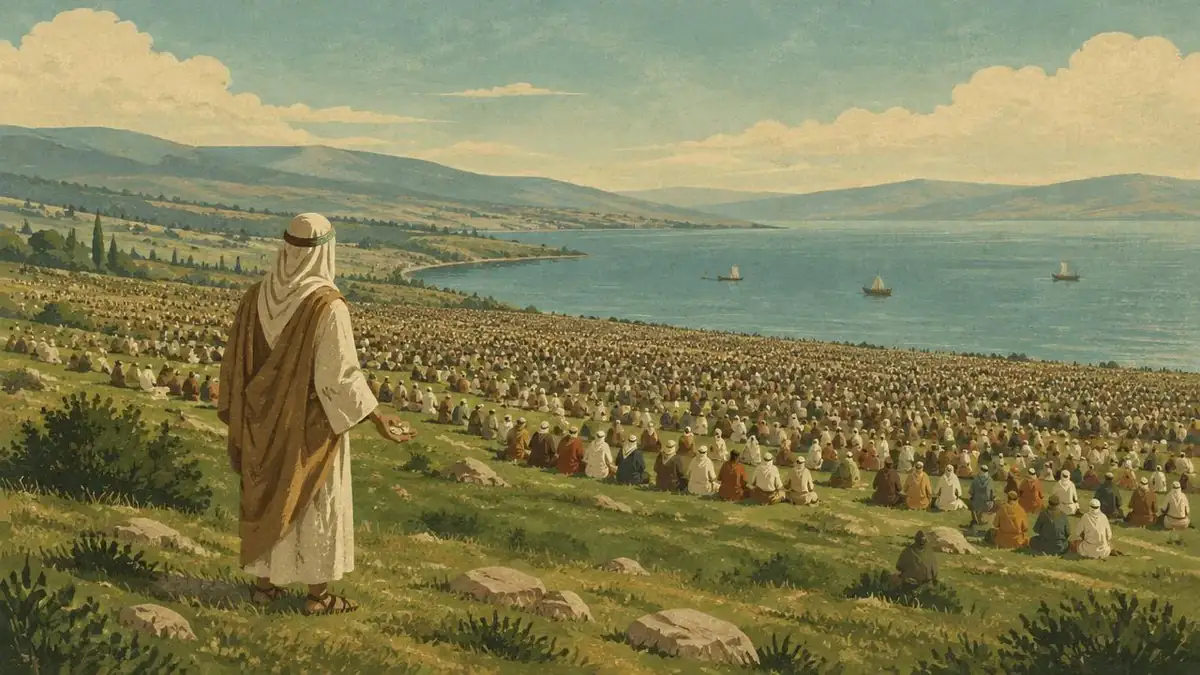
Counting loaves
Jesus asks him where to buy bread to test him. Philip says two hundred denarii would not be enough.
Turning point
Greeks come to him
Some Greeks ask Philip to see Jesus. He goes to Andrew, and together they tell Jesus.
Turning point
Show us the Father
On the last night he asks to see the Father. Jesus says, you have seen me.
Ending
Waiting and praying
After the resurrection he is named in the upper room, praying with the others.
Starts as a careful man who has found the Messiah. Ends as a witness waiting on the Spirit with the church.
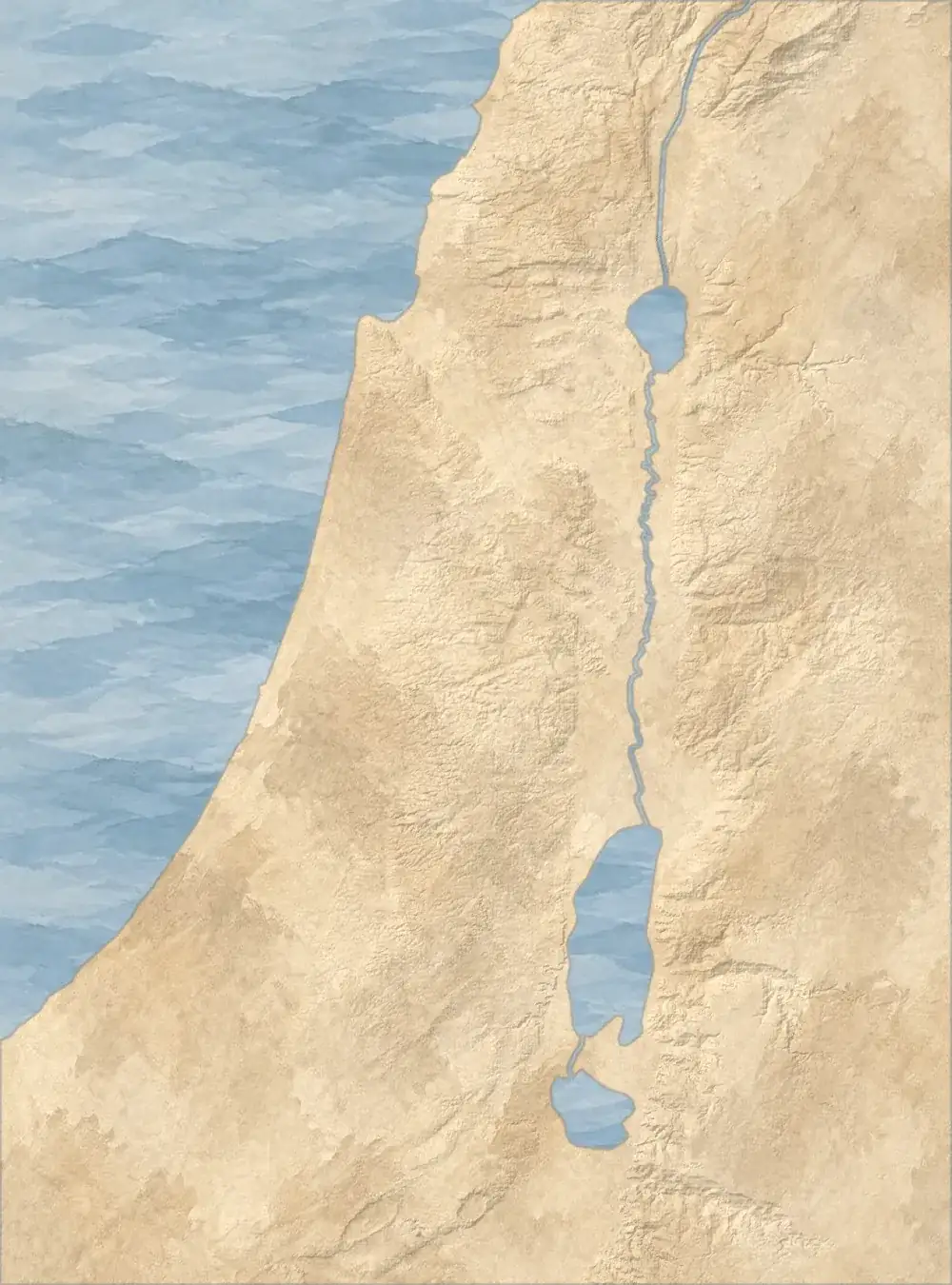
Where Philip lived and went
Only places Scripture records. Softer, dotted pins are traditional or uncertain sites. Tap a pin for the passage.
HomeMinistryKey momentTraditional or uncertainPinch or use + to zoom. Tap a cluster to spread it out.
How Philip is wired
The Investigator
Enneagram 5, Loyalist wing
To understand and to be sure there is enough before he acts.
Scripture doesn't give us much here, so treat this as a best guess.
At their best, toward 8 Under stress, toward 7
Why we think so
1
Does the math. Asked where to buy bread, he counts the cost and finds it short. ()
2
Wants to know. He asks Jesus to show them the Father, and then it will be enough. ()
3
Points to evidence. He answers Nathanael's doubt by inviting him to look for himself. ()
The 6 wing shows in his caution and his reliance on a trusted friend. He checks with Andrew before bringing the Greeks. ()
The Challenger. Little recorded.
The Enthusiast. Little recorded.
The case for 6
Going to Andrew first and asking for one more sign of the Father look like a Loyalist seeking security. Many readers see him that way. The 5 read leans on his habit of calculating resources and wanting to understand.
Other lenses
Big Five. Read from what he says and does in the Gospels and Acts.
ReservedOutgoing
SteadyReactive
ChallengingAccommodating
SpontaneousDisciplined
TraditionalCurious
DISC style: Practical, steady, let me check.
Strengths & struggles
What's good in Philip
Eager to share what he has found. Honest. Practical and careful. Willing to bring people and questions straight to Jesus.
Where Philip struggles
Sees limits more readily than possibilities (). Slow to grasp who Jesus is even after years with him ().
Philip asked to see the Father, and Jesus told him he had been looking at him all along.
Jesus answered, “Whoever has seen me has seen the Father” (). Philip counted bread and came up short. The answer to his math was Jesus himself, who fed the crowd and later called himself the bread of life ().
Questions to sit with
1
Where do you count the cost and stop before asking what Jesus can do?
2
Who could you invite to come and see?
Study Philip with your group
Ready-to-lead group studies with discussion questions and a leader's note are on the way.