



← The Cast

Jesus and the Twelve

Judas Iscariot

Chosen, trusted, and close, yet he handed Jesus over.

Quick read

Not typed · why →

Chosen, trusted, and close, yet he handed Jesus over.

  • Chosen
  • Bargain
  • Betrayal

“I have sinned by betraying innocent blood.”

(ESV)

Introduction

Judas was one of the Twelve. Jesus chose him, sent him out to preach, and trusted him with the group's money. He ate at the same table as Peter and John. Nothing in the Gospels suggests the others saw him coming. When Jesus said one of them would betray him, each one asked if it was himself (Matthew 26:21-22).

Scripture tells us what Judas did more than why. John says he was a thief (John 12:6). The Gospels say he went to the chief priests and asked what they would pay (Matthew 26:15). Luke and John say Satan entered him (Luke 22:3, John 13:27). After Jesus was condemned, he was seized with remorse and took his own life. The story is told plainly, and it should be read soberly.

I have sinned by betraying innocent blood.

(ESV)
Name means
Judas means “praised”; Iscariot is uncertain, possibly “man of Kerioth”
Home
Not recorded with certainty
Role
Apostle, keeper of the moneybag
Read in
, , , ,

Judas Iscariot's story
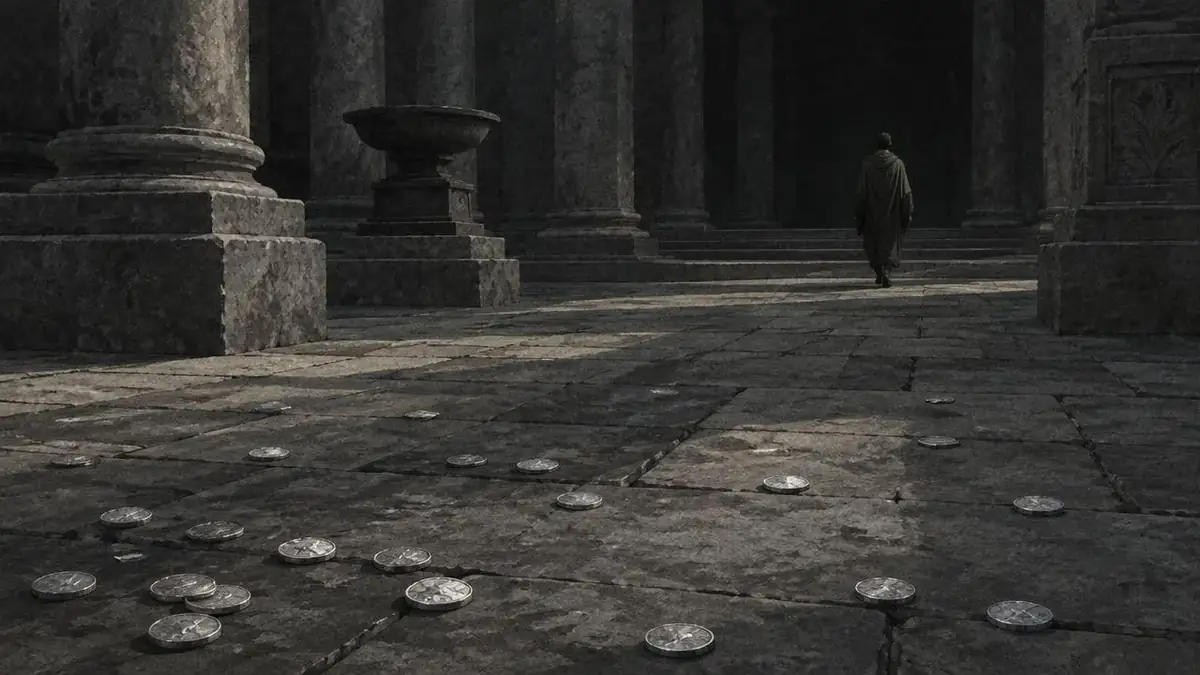
Throwing down the silver
  1. Beginning

    Chosen among the Twelve

    Jesus chose him with the others. Luke names him last, as the one “who became a traitor” ().

  2. High point

    Sent out with authority

    He was among the twelve Jesus sent to preach and heal. Nothing in the text sets him apart from the rest.

  3. Turning point

    The objection at Bethany

    When Mary anointed Jesus, Judas complained about the waste. John says he said this because he was a thief.

  4. Low point

    The bargain

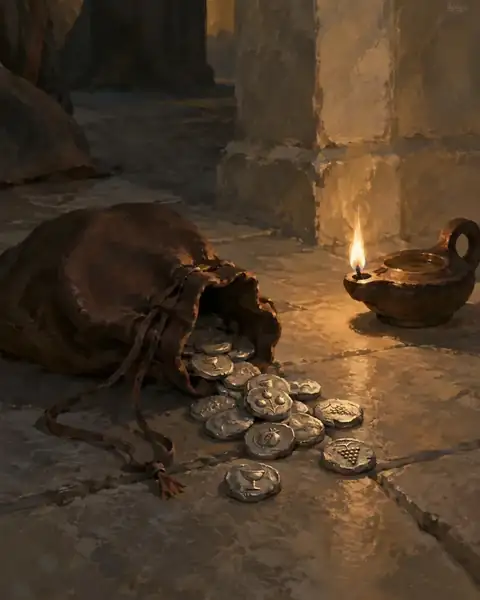
    He went to the chief priests and asked what they would give him. They paid him thirty pieces of silver.

  5. Low point

    The morsel and the night

    At the supper Jesus identified the betrayer with a piece of bread. Judas took it and went out immediately, and it was night.

  6. Low point

    The kiss

    He led the crowd to Gethsemane and greeted Jesus with a kiss. Jesus asked if he would betray the Son of Man with a kiss.

  7. Ending

    Remorse without return

    When Jesus was condemned, Judas brought the silver back and confessed to the priests. They turned him away, and he went and hanged himself.

Starts as an apostle trusted with the common purse. Ends as the one who turned aside “to go to his own place” (Acts 1:25).
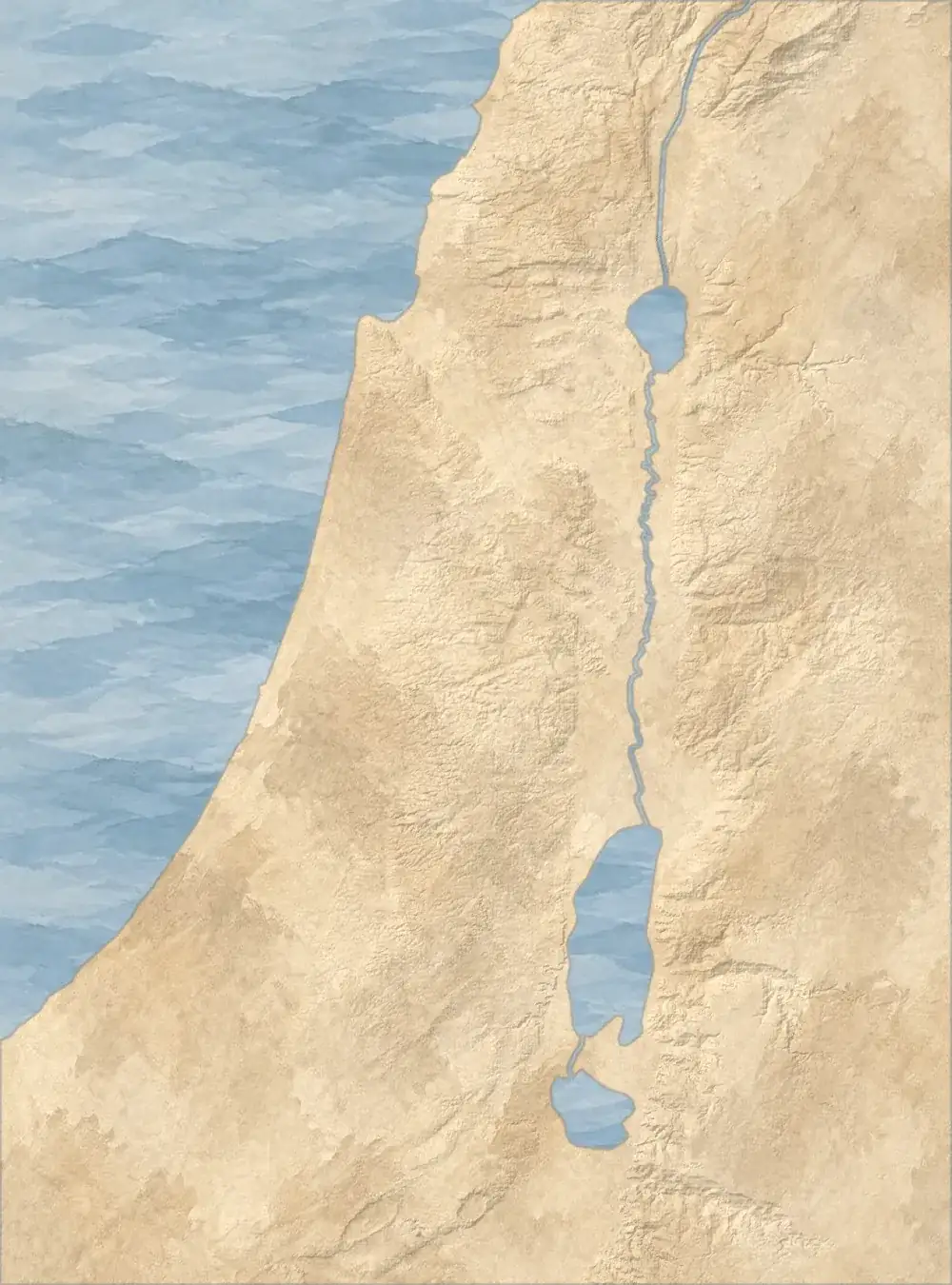

Where Judas Iscariot lived and went

Only places Scripture records. Softer, dotted pins are traditional or uncertain sites. Tap a pin for the passage.

JerusalemField of Blood
HomeMinistryKey momentTraditional or uncertainPinch or use + to zoom. Tap a cluster to spread it out.

How Judas Iscariot is wired

Why there's no type here

Scripture shows what Judas did and names greed and Satan's work, but typing his inner life would mean speculating beyond the text.

Strengths & struggles

What's good in Judas Iscariot

He was entrusted with responsibility. The group gave him charge of the moneybag ().

Where Judas Iscariot struggles

Love of money. He objected to Mary's costly gift, not out of care for the poor, but because he was stealing from the common fund ().

What Judas Iscariot wanted most

Scripture does not say directly. It points to money (, ).

What Judas Iscariot feared most

Not recorded.

Judas Iscariot's people

The Lord

JesusChose him, shared bread with him, and greeted him as “Friend” at the moment of betrayal (Matthew 26:50).

Friends

JohnReclined next to Jesus and asked who the betrayer was (John 13:23-26).Simon the ZealotListed beside him in Matthew and Mark (Matthew 10:4, Mark 3:18-19).ThaddaeusShared his name. John marks the other as “not Iscariot” (John 14:22).MatthewRecords the thirty pieces of silver and Judas's end (Matthew 26:15, 27:3-10).

Tension

PeterAlso failed Jesus that night. Peter wept and was restored. Judas despaired (Luke 22:61-62, John 21:15-17).Mary of BethanyHe criticized her costly worship. Jesus defended her (John 12:3-8).

Family of Faith

See where Judas Iscariot fits

AbrahamJesus

c. 5 BC – AD 30. Knew Jesus face to face.

Open the timeline

Where this points to Christ

Jesus kept faith with the one who broke faith with him.

Jesus knew from the start and still chose Judas (). He shared bread with him and called him “Friend” in the garden (), and he said the betrayal was grave (). Peter also failed that night, yet he wept and came back to Jesus, while Judas took his remorse to the priests and not to Christ. “For godly grief produces a repentance that leads to salvation without regret, whereas worldly grief produces death” ().

Questions to sit with

Where do you see the difference between remorse and repentance in your own life?

What does it tell you about Jesus that he washed feet and shared bread at a table where his betrayer sat?

Study Judas Iscariot with your group

Ready-to-lead group studies with discussion questions and a leader's note are on the way.

Get early access

Compare Judas Iscariot with

NextMaryThe PeacemakerA young woman who said yes to God and kept his words in her heart.