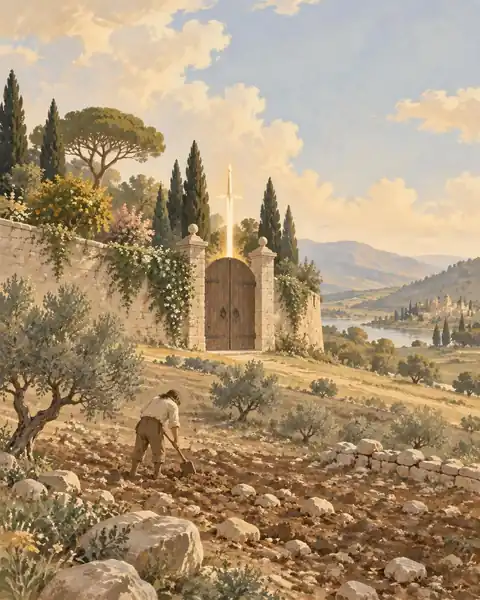
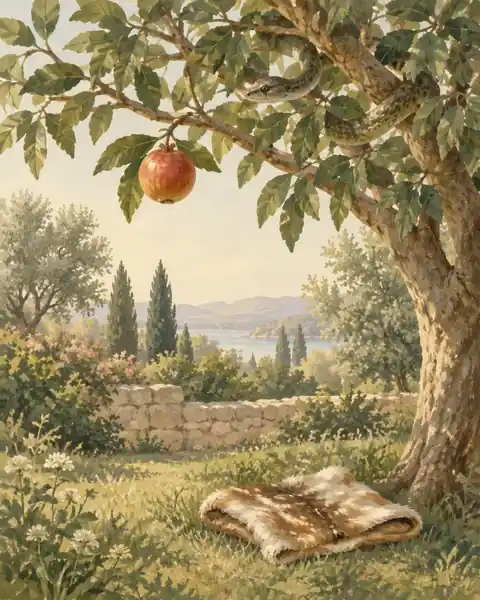
Adam was formed from the dust of the ground and given breath by God himself. He was put in a garden to work it and keep it, he named the animals, and when God brought him the woman he broke into the first poem in Scripture.
Then he ate what God had told him not to eat, and the first thing he did afterward was hide. God came looking for him anyway. Adam left the garden under a curse, but also with a promise: the woman's offspring would one day crush the serpent's head. The New Testament calls Adam a pattern of the one who was to come.
“
Where are you?
Name means
“Man” or “human”; linked to the Hebrew for ground
Home
The garden of Eden, then the land east of it
Role
The first man, father of the human race
Read in
; ;
Adam's story
Outside the garden
Beginning
Formed from dust
God forms him from the ground and breathes life into him.
High point
Bone of my bones
God makes the woman, and Adam greets her with joy.
Turning point
He ate
He eats the forbidden fruit with his wife, and they hide among the trees.
Low point
Blame and curse
He blames the woman; God speaks a curse over the ground and promises the serpent's defeat.
Ending
Sent east of Eden
God clothes them and sends them out. Adam fathers Seth and lives to 930.
Starts as a man made by God's own hand. Ends as an exile clothed by God and holding a promise.
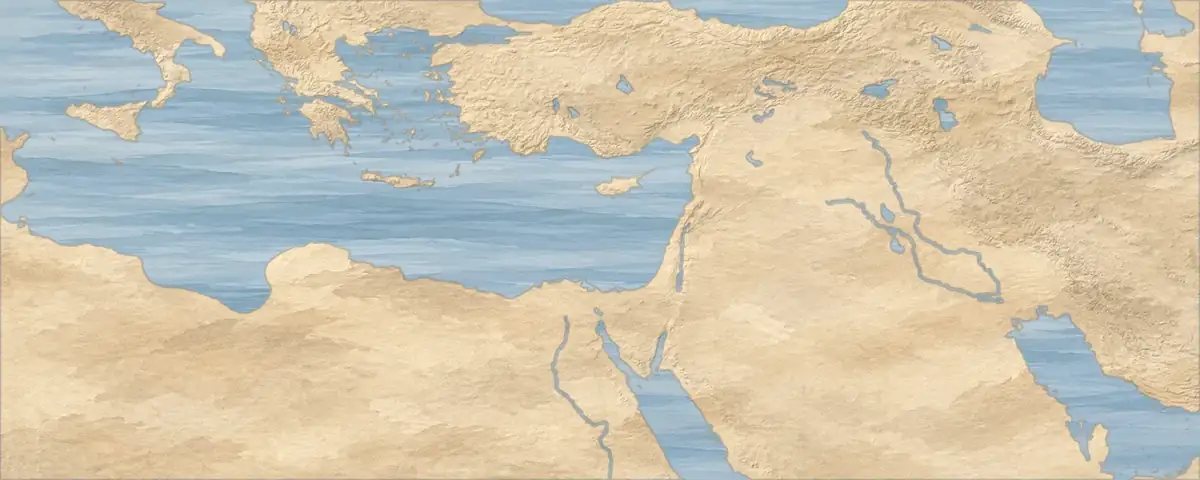
Where Adam lived and went
Only places Scripture records. Softer, dotted pins are traditional or uncertain sites. Tap a pin for the passage.
HomeMinistryKey momentTraditional or uncertainPinch or use + to zoom. Tap a cluster to spread it out.
Scripture names only Eden, and its location is unknown.
How Adam is wired
The Peacemaker
Enneagram 9, Reformer wing
To keep the peace and avoid conflict, even when it means going along.
Scripture doesn't give us much here, so treat this as a best guess.
At their best, toward 3 Under stress, toward 6
Why we think so
1
He goes along. He is with his wife when she eats, says nothing, and eats too. ()
2
He avoids the hard moment. He hides from God rather than face him. ()
3
He deflects. He answers God's question by pointing to the woman God gave him. ()
The 1 wing may show in the ordered work of naming and keeping the garden. ()
The Achiever. At his best he names his wife in hope, trusting God's promise. ()
The Loyalist. Under stress he blames and shifts responsibility. ()
Why so tentative
Genesis gives very few of Adam's own words, so this is a best guess built on his silence at the tree and his hiding afterward.
Other lenses
Big Five. Read from what is recorded in Genesis 1-9.
ReservedOutgoing
SteadyReactive
ChallengingAccommodating
SpontaneousDisciplined
TraditionalCurious
DISC style: Quiet, passive, ashamed
Strengths & struggles
What's good in Adam
Given real work and authority, and he used it: he named every creature (). Delighted in the woman God made (). Named his wife Eve, “mother of all living,” after the curse, a quiet act of hope ().
Where Adam struggles
Stood by while his wife was deceived, then ate (). Hid instead of facing God (). Blamed his wife and, by implication, God ().
What Adam wanted most
Scripture does not say directly. His first recorded words are joy at finding a companion like himself ().
What Adam feared most
Being exposed. “I was afraid, because I was naked, and I hid myself” ().
The first Adam brought death by disobedience. The last Adam brings life by obedience.
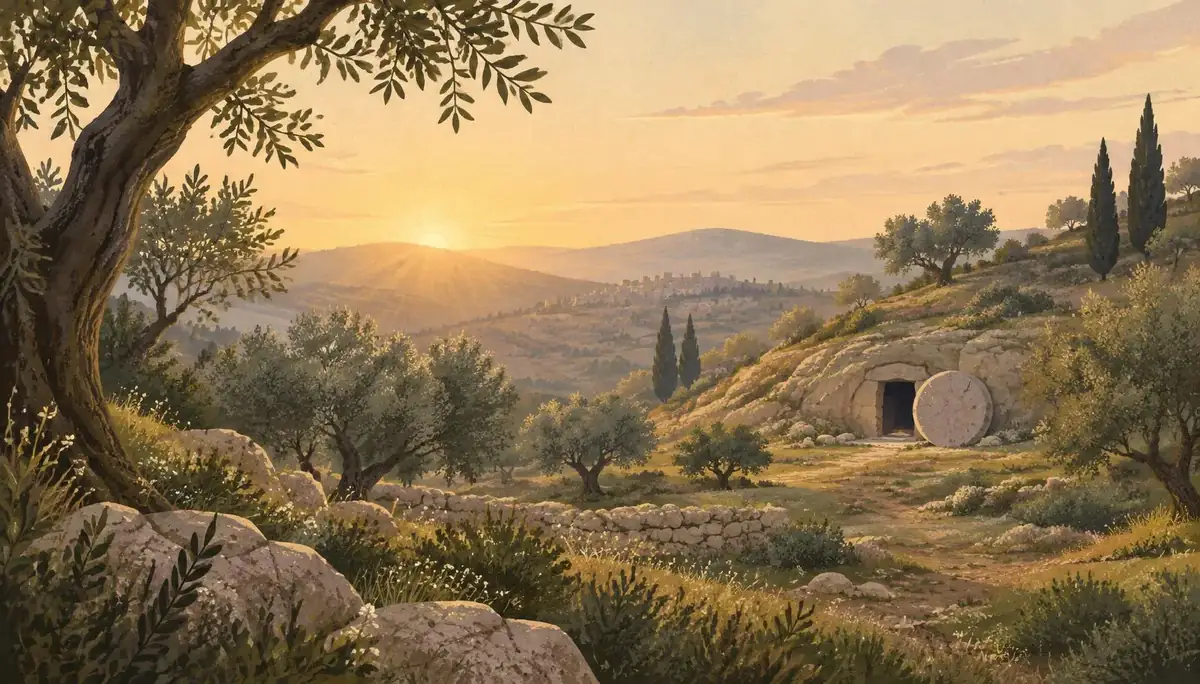
Paul says Adam was a type of the one who was to come (). By one man's disobedience many were made sinners; by one man's obedience many will be made righteous (). As in Adam all die, so also in Christ shall all be made alive (). Adam hid among the trees; Jesus went to a tree for us.
Questions to sit with
1
God's first question to fallen people was “Where are you?” How would you honestly answer it today?
2
Adam blamed the woman. Where do you shift blame instead of owning your part?
Study Adam with your group
Ready-to-lead group studies with discussion questions and a leader's note are on the way.