The first thing Scripture says about Sarah is that she was barren and had no child (Gen 11:30). Then her husband hears a promise about countless descendants. She lives with that gap for decades. She follows Abraham into unknown country, twice ends up in a foreign king's house because of his fear, and keeps getting older.
She is sharp and strong-willed. She makes plans, and when they go wrong she says so. When the promise finally comes with a date attached, she is ninety and she laughs. A year later she is holding Isaac, whose name means “he laughs.”
“
God has made laughter for me; everyone who hears will laugh over me.
Name means
Sarai and Sarah are usually read as “princess”; God renamed her and promised kings would come from her ()
Home
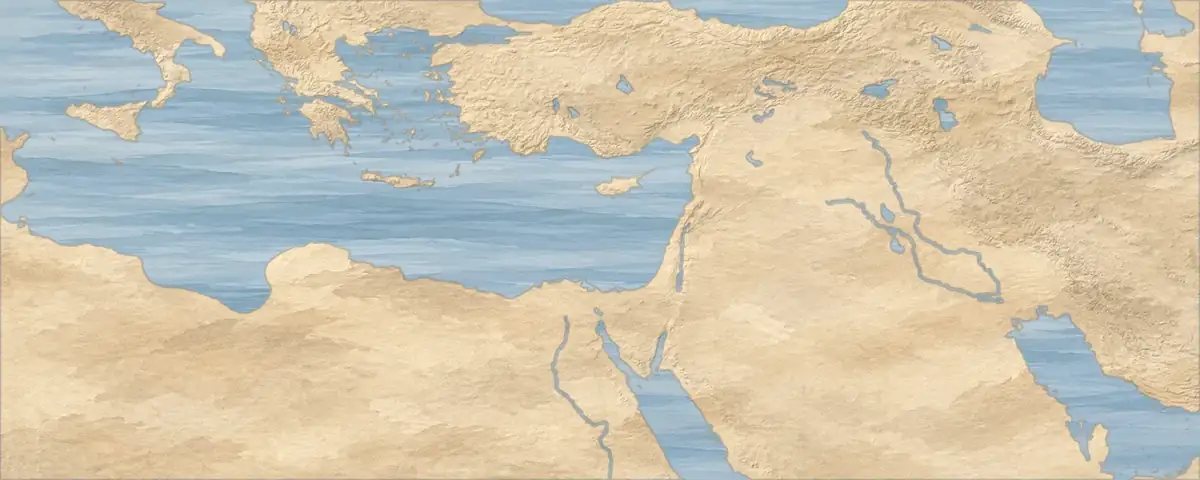
Ur, Haran, then Canaan, mostly near Hebron
Role
Wife of Abraham, mother of Isaac, mother of the promised line
Read in
; ; ;
Sarah's story
Isaac is born
Beginning
Leaving with Abram
She is barren, and she goes anyway. She leaves home for a promise of descendants she cannot give.
Low point
The Hagar plan
She gives her servant Hagar to Abram to get a child. When Hagar conceives and despises her, she blames Abram and drives Hagar away.
Turning point
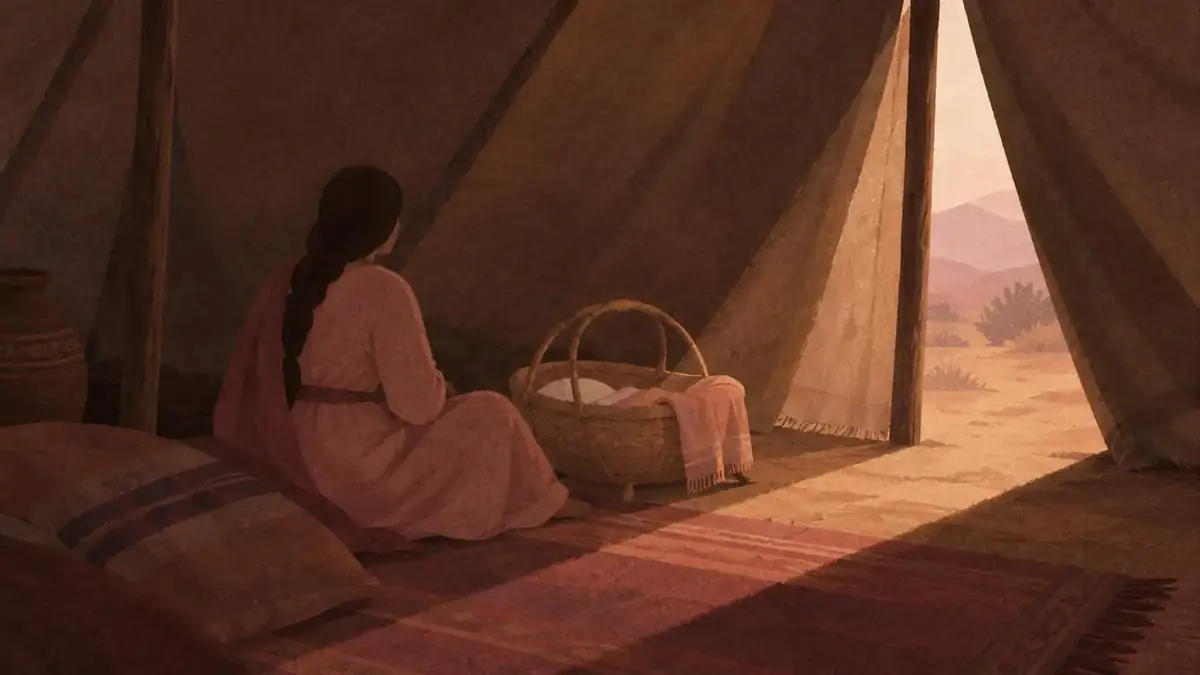
Laughter in the tent
At ninety she overhears the promise and laughs to herself. Afraid, she denies it. The LORD answers, “No, but you did laugh.”
High point
Isaac is born
The LORD does to Sarah as he promised. Her laugh of doubt turns into a laugh of joy.
Ending
Remembered for faith
She dies at 127 and Abraham mourns and weeps for her. Hebrews remembers her faith that God was faithful.
Starts as a barren wife with a promise she cannot see. Ends as the mother of the line of promise.
Where Sarah lived and went
Only places Scripture records. Softer, dotted pins are traditional or uncertain sites. Tap a pin for the passage.
HomeMinistryKey momentTraditional or uncertainPinch or use + to zoom. Tap a cluster to spread it out.
How Sarah is wired
The Challenger
Enneagram 8, Enthusiast wing
She wants to control her own fate and protect her place, and will not be made small.
Scripture doesn't give us much here, so treat this as a best guess.
At their best, toward 2 Under stress, toward 5
Why we think so
1
She takes charge. She is the one who proposes the Hagar plan, and Abram goes along. ()
2
She confronts. When it goes wrong she does not soften it: “May the wrong done to me be on you!” ()
3
She protects her own. She demands that Hagar and Ishmael be cast out to secure Isaac's inheritance. ()
The 7 wing shows in her quick humor. She laughs at the impossible, and later says everyone will laugh with her. ()
The Helper. At her best, her strength turns to trust and care. Peter commends her quiet hope in God and says believing women are her children. ()
The Investigator. Under strain she withdraws and goes cynical. She laughs privately in the tent and then denies it. ()
The case for 3
Her pain centers on standing and honor. She felt the shame of barrenness and was stung when Hagar looked on her with contempt (). An Achiever reading fits that concern for status.
Other lenses
Big Five. Read from what is recorded in Genesis.
ReservedOutgoing
SteadyReactive
ChallengingAccommodating
SpontaneousDisciplined
TraditionalCurious
DISC style: Direct, strong-willed, quick to laugh.
Strengths & struggles
What's good in Sarah
Endurance. Loyalty to Abraham through hard moves and long years (). Honest about her pain. Hebrews counts her among the faithful ().
Where Sarah struggles
Taking control when God seems slow (). Harshness toward Hagar when her plan backfired (). Hiding her doubt instead of owning it ().
What Sarah wanted most
A child of her own, and an end to the shame of barrenness ().
What Sarah feared most
Being passed over, and seeing her place taken by Hagar and Ishmael ().
Sarah's son came by promise, not by planning, and that is how every child of God comes.
Isaac was born from a womb Paul calls as good as dead (). sets Sarah, the free woman, against Hagar, and says believers are children of the free woman by promise. “But the Jerusalem above is free, and she is our mother.” () The question “Is anything too hard for the LORD?” () is echoed when the angel tells Mary that nothing will be impossible with God ().
Questions to sit with
1
Sarah tried to make the promise happen on her own terms. Where do you find yourself managing God's timing?
2
God kept his word to her even after she laughed and denied it. What does that say about how he treats your doubt?
Study Sarah with your group
Ready-to-lead group studies with discussion questions and a leader's note are on the way.