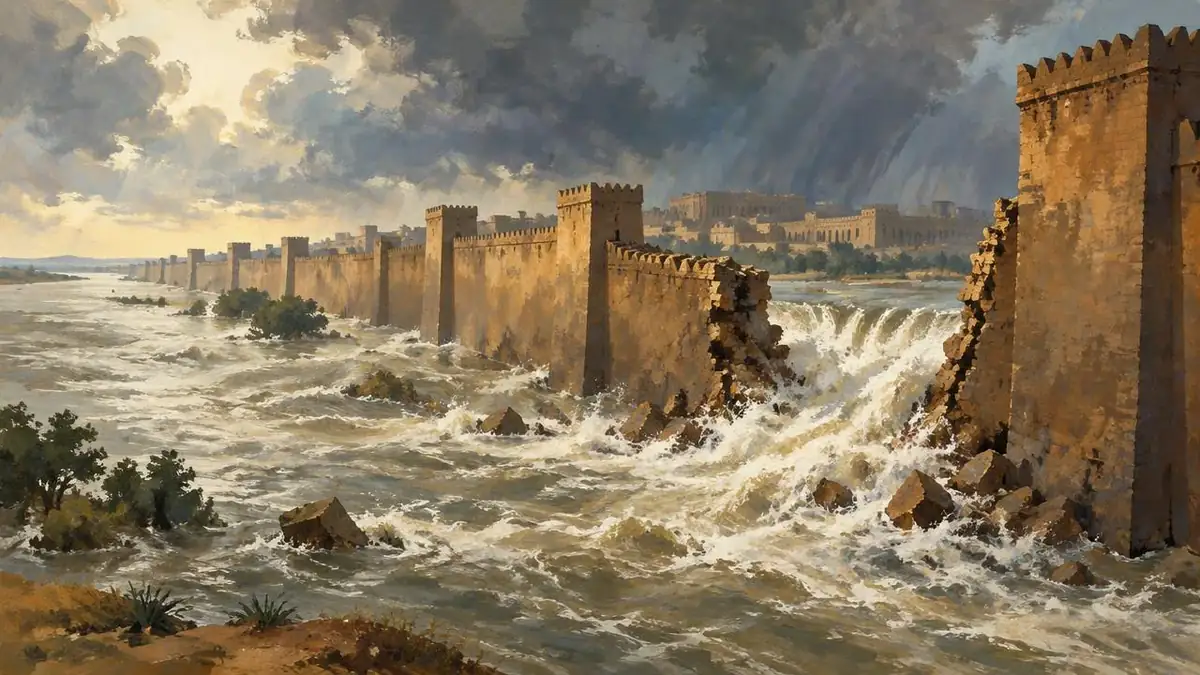
About a century after Jonah, Nineveh had gone back to its old ways. Assyria had destroyed the northern kingdom of Israel, laid siege to Jerusalem, and terrorized the nations for generations. Nahum, whose name means comfort, announced that its end had come.
His book is a vivid poem of a city falling: chariots in the streets, river gates opened, treasure plundered. It is hard reading. But it opens with the character of God: slow to anger and great in power, who will by no means clear the guilty, and who is good, a stronghold in the day of trouble. For people Assyria had crushed, Nineveh's fall was good news. Nineveh fell in 612 BC.
“
The LORD is good, a stronghold in the day of trouble
Name means
“Comfort”
Home
Elkosh, location unknown
Role
Prophet against Nineveh, capital of Assyria
Read in
Nahum's story
Good news on the mountains
Beginning
Who God is
Jealous, avenging, slow to anger, good and a stronghold.
High point
Good news
The feet of the one who brings good news upon the mountains.
Turning point
The siege
The attackers break into Nineveh.
Low point
Woe to the bloody city
The city of lies and plunder is exposed.
Ending
Everyone claps
All who hear the news clap their hands, for who has not felt its cruelty?
Starts as a man from an unknown village. Ends as the prophet who saw a tyrant fall.
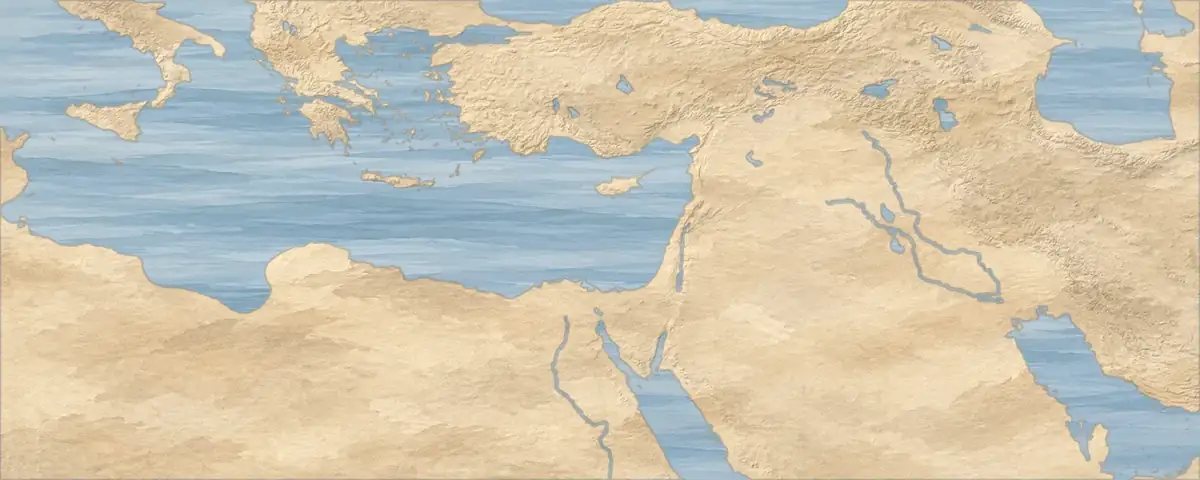
Where Nahum lived and went
Only places Scripture records. Softer, dotted pins are traditional or uncertain sites. Tap a pin for the passage.
HomeMinistryKey momentTraditional or uncertainPinch or use + to zoom. Tap a cluster to spread it out.
How Nahum is wired
Why there's no type here
Nahum tells us nothing about himself except his hometown, so a type would be guesswork.
Strengths & struggles
What's good in Nahum
Confident in God's justice (). Comforting to the oppressed ().
Where Nahum struggles
Scripture records nothing about him.
What Nahum wanted most
Justice for the oppressor, and peace for Judah ().
Nahum saw a messenger running on the mountains with good news. Paul says that is the gospel.
Nahum wrote, Behold, upon the mountains, the feet of him who brings good news (), and Isaiah used the same picture (). Paul applies it to those who preach Christ (). God will by no means clear the guilty (), yet at the cross he is both just and the justifier of the one who has faith in Jesus ().
Questions to sit with
1
Nahum holds God's anger and God's goodness together. Which one do you find harder to believe?
2
Who around you needs to hear that God is a stronghold in the day of trouble?
Study Nahum with your group
Ready-to-lead group studies with discussion questions and a leader's note are on the way.