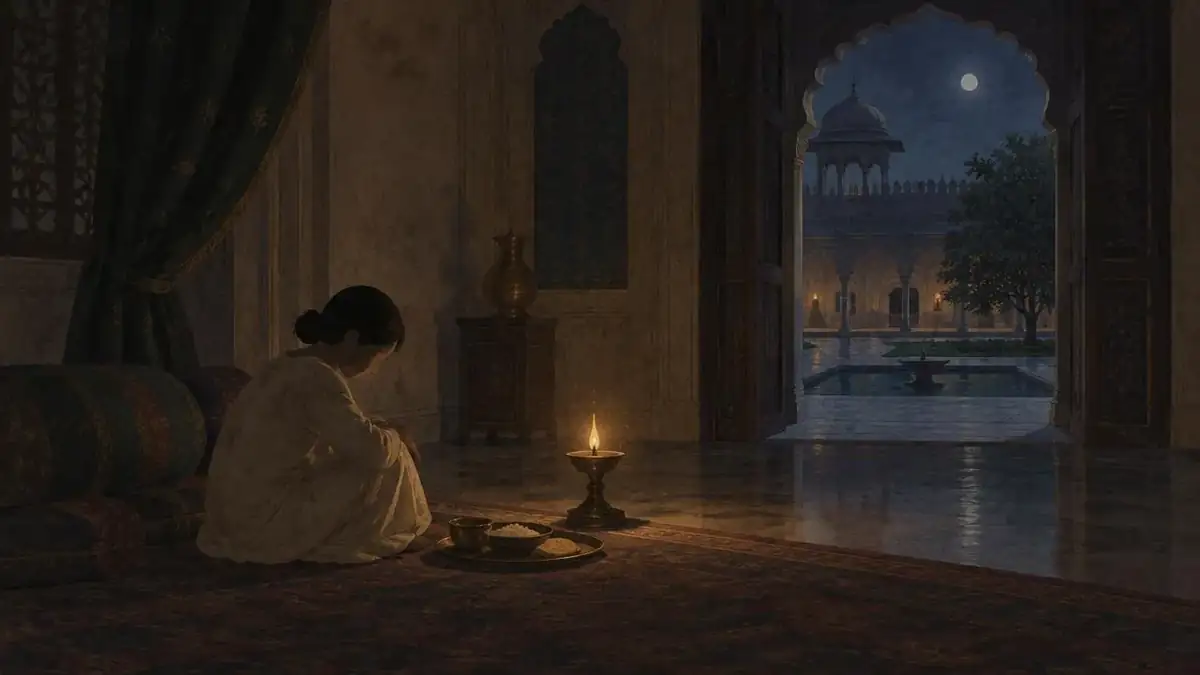
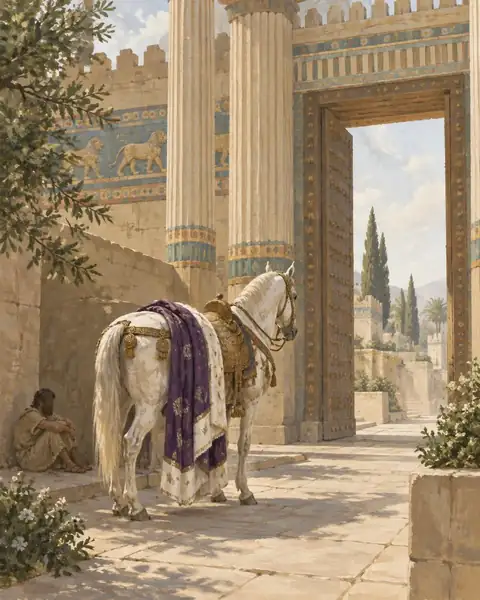
An orphan made queen, who kept quiet about who she was until silence would cost her people.
Hidden
Afraid
Bold
“Then I will go to the king, though it is against the law, and if I perish, I perish.”
Go deeper
Introduction
Esther lost both parents and was raised by her older cousin Mordecai in Susa, a Jewish girl in the Persian capital (Est 2:5-7). When the king went looking for a new queen, she was taken into the palace. On Mordecai's instruction she told no one she was a Jew. She won favor with everyone who saw her, and the king made her queen (Est 2:8-17).
Then a decree went out to wipe out the Jews, and her hidden life ran into her people's death sentence. Going to the king uninvited could get her killed. She was afraid, and said so (Est 4:11). Then she asked her people to fast and went anyway. The book never names God. It records no prayer, only a fast. Yet the story keeps turning at the right moment, and readers have long seen a hidden hand at work, the kind of quiet rule Scripture describes elsewhere (Prov 21:1).
“
Then I will go to the king, though it is against the law, and if I perish, I perish.
Name means
Esther is likely Persian, often taken to mean star. Her Hebrew name, Hadassah, means myrtle (Est 2:7)
Home
Susa, Persia
Role
Queen of Persia
Read in
Esther's story
If I perish, I perish
Beginning
An orphan in Susa
Her parents are dead. Mordecai takes her in and raises her as his own daughter.
Turning point
Taken into the palace
She is brought into the king's harem, hides that she is a Jew, and is crowned queen.
Turning point
Hesitates
Mordecai asks her to plead with the king. She reminds him that anyone who goes in uncalled may die.
High point
Chooses to go
Pressed by Mordecai's hard words, she calls a three-day fast and decides to go in, whatever it costs.
High point
Names the enemy
The king holds out his scepter. Over two feasts she reveals her people and points to Haman.
Ending
Pleads and writes
She weeps at the king's feet for her people, then writes with full authority to fix the days of Purim.
Starts as a hidden orphan who did as she was told. Ends as a queen writing to her people with full authority (Est 9:29).
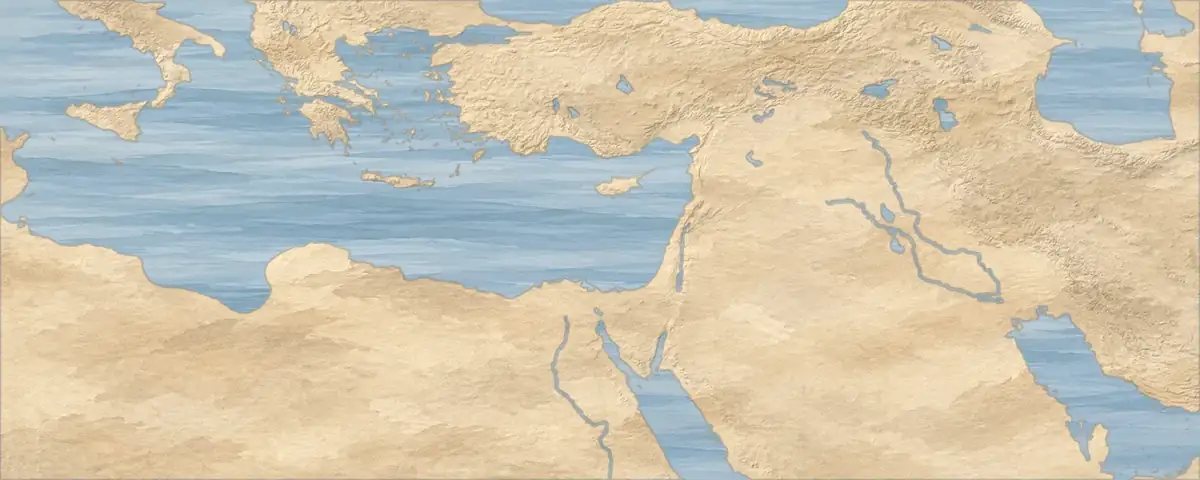
Where Esther lived and went
Only places Scripture records. Softer, dotted pins are traditional or uncertain sites. Tap a pin for the passage.
HomeMinistryKey momentTraditional or uncertainPinch or use + to zoom. Tap a cluster to spread it out.
Esther's whole story takes place in Susa.
How Esther is wired
The Peacemaker
Enneagram 9, Reformer wing
To keep peace and stay safe by fitting in, until love for her people moved her to risk everything.
This one is debated. Here's why we land here.
At their best, toward 3 Under stress, toward 6
Why we think so
1
Went along. She asked for nothing beyond what the king's official advised, and she kept obeying Mordecai as she had as a girl. ()
2
Avoided the fight at first. Her first reply to Mordecai lists the danger rather than a plan. ()
3
Calm, not combative. Even at the decisive moment she does not accuse Haman at once. She hosts two feasts and lets the moment ripen. ()
The 1 wing shows once she acts. She proceeds with order and formality, asking “If it please the king” and seeking a lawful decree to undo the first one. ()
The Achiever. At her best she becomes decisive and strategic, plans the approach, and drives the outcome herself. ()
The Loyalist. Under threat she grows anxious and focused on danger and rules, worried about what the law allows. ()
The case for 3
An Achiever reading is possible. She adapts quickly to court life, wins the favor of everyone who sees her, and reads people and timing well (Est 2:9, 15-17; 5:1-8).
Other lenses
Big Five. Read from what is recorded in the books of the exile and return.
ReservedOutgoing
SteadyReactive
ChallengingAccommodating
SpontaneousDisciplined
TraditionalCurious
DISC style: Gracious, patient, well-timed
Strengths & struggles
What's good in Esther
Grace under pressure. Patience and timing. She waits, hosts, and asks at the right moment (Est 5:4-8; 7:1-6). Once committed, she does not turn back. She wins trust easily (Est 2:9, 15).
Where Esther struggles
For years she let others set her course and kept her identity hidden (Est 2:10, 20). Her first answer to the crisis was a reason not to act (Est 4:11). After the victory she asked for a second day of fighting in Susa and for Haman's sons to be hanged, a request the text records without comment (Est 9:13).
What Esther wanted most
Safety and favor, at first. In the end, the life of her people (Est 7:3-4; 8:6).
What Esther feared most
Going before the king unsummoned and being put to death (Est 4:11).
Esther's people
The Lord
GodNever named in the book. Esther fasts, and the story turns, but the narrator stays silent about why.
Family
MordecaiThe cousin who raised her, guided her, and told her the hard truth when it mattered (Est 2:7; 4:13-14).
AhasuerusHer husband, the Persian king. Powerful, impulsive, and approached only at the risk of death (Est 4:11; 5:2).
Friends
HegaiThe official over the women who favored her and advised her (Est 2:8-9, 15).
HathachThe servant who carried messages between her and Mordecai in the crisis (Est 4:5-10).
Opposed
HamanThe king's favorite who plotted to destroy every Jew in the empire (Est 3:5-6; 7:6).
Family of Faith
See where Esther fits
AbrahamJesus
c. 500–460 BC (debated). No recorded connection yet.
Esther went uninvited before the king to plead for a condemned people, and that points to a greater intercessor.
Esther risked her life to stand between her people and death. Jesus did more than risk it. He gave his life, and now he lives to intercede for his people, so that we can “with confidence draw near to the throne of grace” (). The book's great reversal, where the day meant for destruction became a day of rescue (Est 9:1), pictures the gospel's own reversal.
Questions to sit with
1
Where are you staying quiet because speaking up would cost you something?
2
The book never names God, yet things turn. Where might God be at work in your life in ways you have not named?
Study Esther with your group
Ready-to-lead group studies with discussion questions and a leader's note are on the way.